Journal · May 5, 2026 · updated July 13, 2026
Tesla Incentives You Can Still Stack in 2026 (Sourced)
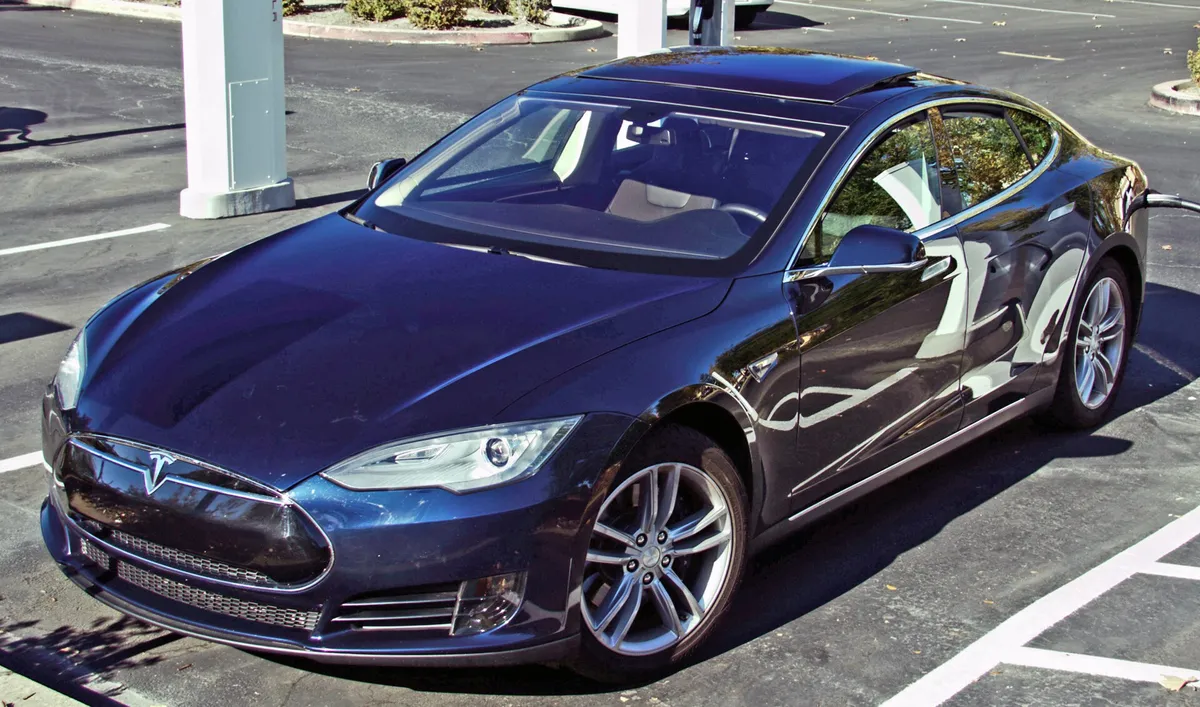
The big 2026 change: the federal EV purchase tax credit ended September 30, 2025. That makes it more important to know what does still stack with a Tesla referral. Here's the dated picture — verify each item for your situation before you rely on it.
What stacks with the referral reward
| Incentive | Status (2026) | Stacks with referral? |
|---|---|---|
| Referral FSD trial | Active | n/a — it's the referral |
| Federal EV purchase credit ($7,500) | Ended September 30, 2025 | No longer available |
| 30C home-charger credit (up to $1,000) | Expired after June 30, 2026 | No longer available |
| Auto-loan-interest deduction (up to $10k/yr) | Through 2028 | Yes |
| State / utility rebates | Varies by location | Usually |
| Tesla APR / lease promos | Varies by month | Usually |
Important distinction
Which layers actually apply to you — the gates nobody lists
A stack table tells you what exists. It does not tell you what you get, and those are different questions. Each remaining layer has an eligibility gate, and one of them is a hard income cliff that most write-ups skip entirely.
| Layer | The gate that decides it |
|---|---|
| Referral (FSD trial) | None worth speaking of — new Model 3, Y or eligible Cybertruck, link opened before you configure. |
| Auto-loan interest deduction | Your income, your loan, and where the car was assembled. See below. |
| State / municipal / utility programs | Your address, and often your income. Varies enormously. |
The income phase-out on the loan-interest deduction
This is the gate worth knowing before you build a budget around the $10,000 figure, because it does not taper gently and it is not mentioned in most summaries.
The deduction begins phasing out once modified adjusted gross income passes $100,000 for a single filer or $200,000 filing jointly, losing $200 of deduction for every $1,000 of MAGI above the threshold. That arithmetic means it is gone entirely at $150,000 single or $250,000 joint — a $50,000 band from full to nothing.
Two consequences that matter more than the cap does:
- A $50,000 income band swings this from a real deduction to zero. Two Tesla buyers with identical loans and identical cars can get completely different results from this layer, and nothing about the car explains the difference.
- The cap is a ceiling on interest, not a payout. You would have to pay $10,000 of interest in a single year to reach it, and then the benefit is that amount times your marginal rate — not $10,000. The mechanics are in the fine print on this deduction.
Which produces the honest ranking for a 2026 US buyer, and it is not the ranking a referral site would prefer. The largest available layer for most people is now local — state, municipal and utility programs — because the federal purchase credit is gone and the loan deduction is income-gated and rate-diluted. The referral is the smallest of the three and the only one with essentially no gate: no income test, no address test, no assembly test. It asks ten seconds and gives a modest, certain benefit, which is a fair description of its whole role in this stack.
How to actually verify these
Federal items: check the current IRS guidance. State and utility offers: check your state energy office and utility. Tesla promos: they change monthly, so read the current offer on Tesla's site. Never state a dollar figure to yourself without a live source — that's how people end up disappointed at checkout.
Back to the value breakdown or the main guide.
Sources:
- Tesla Support — Refer and Earn
- Electrek — Tesla referral program guide
- Not a Tesla App — referral FSD incentives