Journal · January 1, 2026 · updated July 13, 2026
The Auto-Loan Deduction's Fine Print, Explained
The cost-per-mile math on the new auto-loan-interest deduction is here. This note is the other half: the fine print that decides whether you get anywhere near that $10,000 figure, or nothing at all. Read this before you assume the headline number applies to you.
It's a cap, not a guarantee
"Up to $10,000 in auto-loan interest" is a ceiling, not a payout. You can only deduct interest you actually paid that tax year. If your loan is small, your rate is low, or you're most of the way through the term (where interest paid each month shrinks), your real deductible amount could be a fraction of $10,000. Nobody automatically gets the full figure — check your loan's amortization schedule, not the headline.
"US final assembly" is a real condition, not a formality
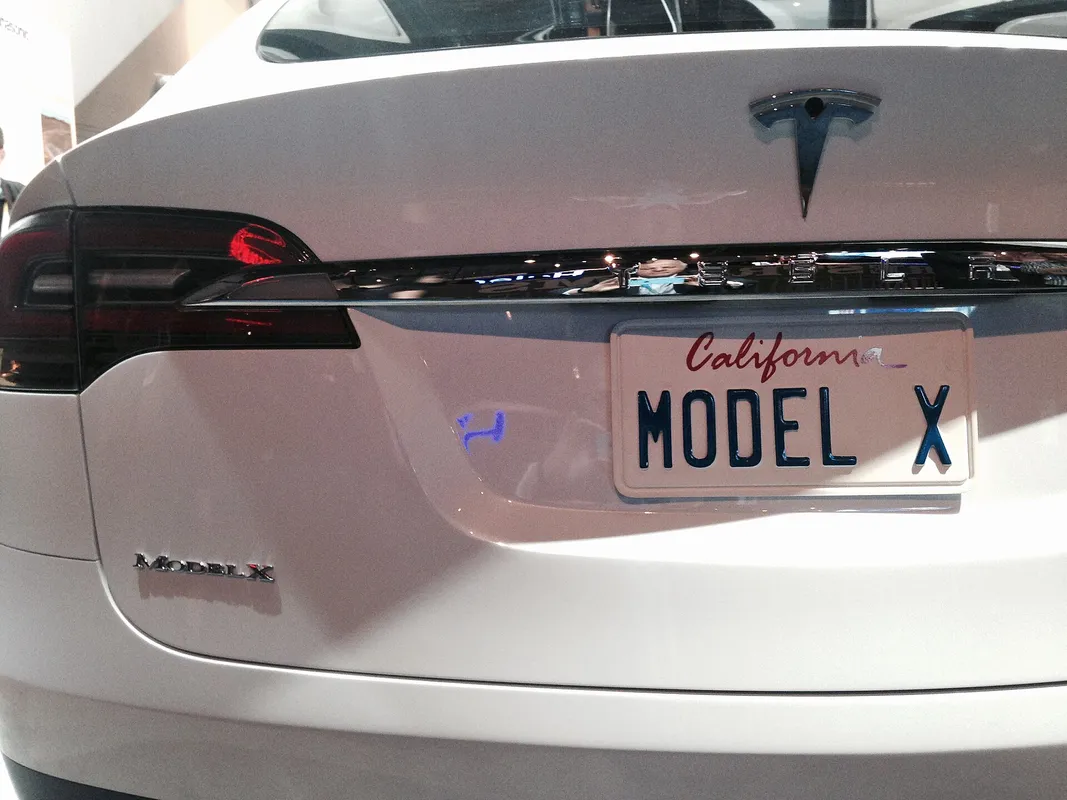
The deduction is tied to vehicles with final assembly in the United States, for loans originated between 2025 and 2028. Most Tesla vehicles sold in the US are assembled at Fremont, California or Giga Texas — but "most" isn't "all," and assembly location is exactly the kind of detail worth confirming on your own vehicle rather than assuming from the brand name. Your window sticker, and the vehicle's VIN decoded through NHTSA's public VIN decoder, will show the plant of manufacture. That's a five-minute check before you count on the deduction.
Financing structure matters
A standard auto loan through a bank, credit union or Tesla's own financing arm is the kind of loan this deduction targets. If you're leasing instead of financing, you're not paying loan interest at all — the deduction doesn't apply to a lease, whatever the residual math looks like. If you're paying cash, there's no interest to deduct, period. This one only touches a specific slice of buyers: financed, not leased or cash.
It's a deduction, not a credit — the difference matters
A tax credit reduces what you owe dollar-for-dollar. A deduction reduces your taxable income, and its value depends on your marginal tax bracket. In plain terms: the same $5,000 of paid interest is worth roughly $1,100 to someone in the 22% bracket and roughly $1,650 to someone in the 32% bracket — a meaningfully different outcome depending entirely on your own income, not the car.
The timing is not the same as a referral benefit
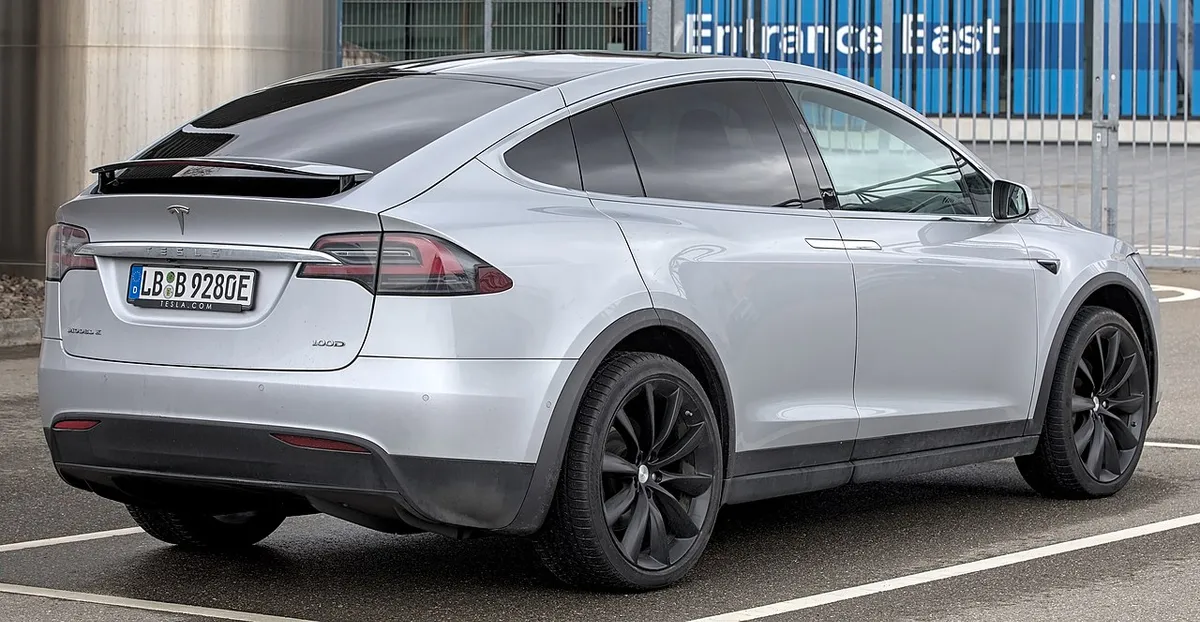
This is the comparison worth holding onto: the referral code's 3-month FSD (Supervised) trial activates automatically at delivery — no forms, no waiting for tax season, no dependency on your income bracket or how you financed. The loan-interest deduction is the opposite on every one of those points: you (or your preparer) claim it when you file, and its value swings with your own numbers. Neither replaces the other, and the difference matters more than it looks: assuming one covers the gap left by the ended $7,500 credit is wrong for most buyers.
What to actually check before you file
- Your loan's real interest paid for the year (your lender's year-end statement, not the loan's original terms).
- Your vehicle's final-assembly plant (window sticker or NHTSA VIN decoder).
- Whether you're financing, leasing, or paying cash — only financing qualifies.
- Your own marginal tax bracket, to translate the deduction into an actual dollar saving.
None of this is tax advice — a preparer who can see your actual return should confirm your specific eligibility. What can be stated accurately is what the referral code guarantees regardless of any of the above: attach it before you order, and the 3-month trial shows in your summary before you pay, no filing required.
Sources: