Journal · August 10, 2026 · updated July 13, 2026
Sharing a Tesla Referral Code Without It Reading as Spam
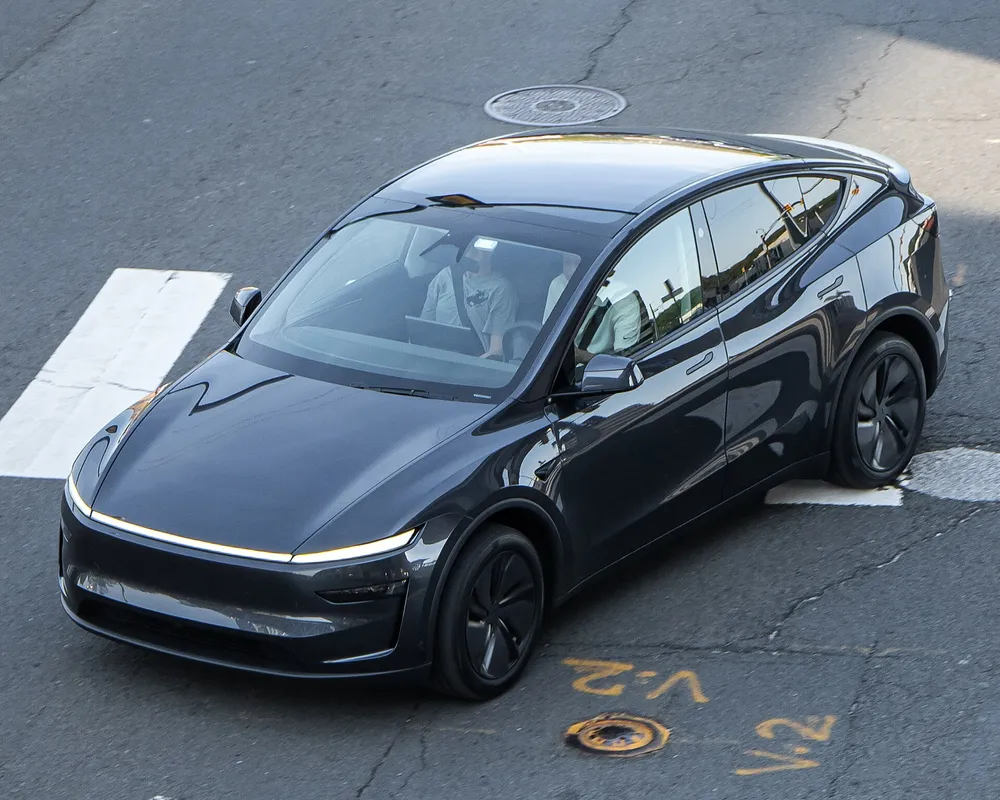
Referral links get pulled from EV forums and owner groups every day, usually within the hour, usually under a self-promotion rule. Almost none of it is posted maliciously — it's people genuinely trying to be useful who skipped one question: did anyone here ask for a code? This page is the rule that answers it, and why following it also gets better results than ignoring it.
What reads as spam (even when you don't mean it to)
Dropping a referral link where nobody asked for one — a new thread, a passing comment, a group joined that week — reads as spam regardless of intent, because a reader has no way to tell your code from a stranger's. Every valid link opens the identical programme, so an unsolicited one adds nothing except a claim on the reward. Most forums and Facebook groups run some version of a self-promotion rule for exactly that reason: a thread full of unsolicited codes is worse for everyone than a thread with none.
The rule: only where it's asked for, or where you're already the source
Three places a code belongs, and nowhere else:
- When someone asks directly — a text from a friend, a reply to your own comment, an email through a page you run. If they came looking for a code, handing them one isn't spam; it's the entire point.
- On a page or thread you own, answering the question you raised. A reader who searched for a Tesla referral code has issued a real invitation, rather than one assumed on their behalf.
- In a community's designated codes thread — many Tesla owner groups keep exactly one pinned megathread so codes don't clutter the rest of the forum. Where one exists, that is the one place a link belongs, and posting outside it is the thing the rule is aimed at.
Everywhere else — a general discussion thread, somebody else's unrelated post, a group joined to drop one link and leave — the answer is simply no. It doesn't help the reader, and it isn't worth the removal.
Why this works better, not just politer
The self-interested case is stronger than the etiquette one. A code handed to someone who asked for one gets used, because they were already going to order. A code dropped into a thread nobody was reading about referrals gets scrolled past, or reported. Since the reward only exists when a referred car is actually delivered, volume of posting is close to irrelevant — the only thing that converts is reaching someone already at the ordering stage, which is exactly the person who asks.
That's also why the annual cap matters less than people think: for most owners the binding limit isn't the programme's, it's how many people they know who are genuinely about to buy a car. Posting more widely doesn't raise that number.
Say the relationship out loud, every time
The other half of sharing well is disclosure, and it isn't optional. Whenever a code changes hands — in a text, a comment, or on a page like this one — say plainly that the code's owner earns Tesla Credits if it's used. It costs the buyer nothing and never changes their benefit, so there is nothing to conceal, and saying it up front is precisely what stops a referral link from feeling like the thing the moderators are removing.
If you own a Tesla and want the fuller walkthrough — finding your code in the app, what the $250 credit is worth, and the annual cap — that's in share your code and earn $250. And if you're not sure whether the thing you're sharing is a "code" or a "link," that mix-up is common enough to have its own page: code vs link.
Sources:
- Tesla Support — Refer and Earn
- Electrek — Tesla referral program guide
- Not a Tesla App — referral FSD incentives